Revamp Your Attic: How Rooflights Can Enhance Value and Natural Light
Converting an attic with rooflights creates an opportunity to elevate both light and space. The installation of these features not only lightens the environment but also adds substantial value to a property. As natural light boosts mood and energy efficiency, it becomes apparent that rooflights can revolutionize underutilized areas. Yet, the decision of rooflight and design can be pivotal. What elements should one keep in mind when starting this project?
Why Choose Rooflights for Your Attic Transformation
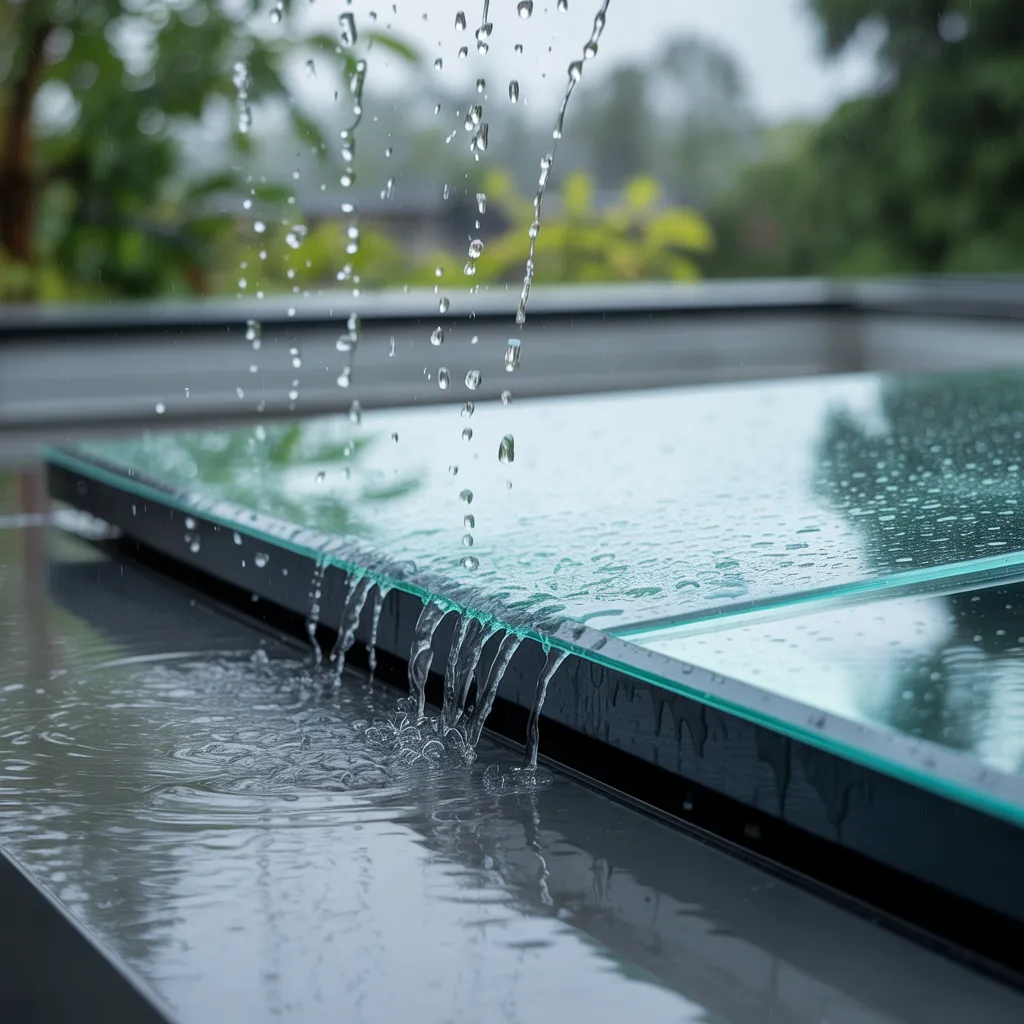
Why choose rooflights for an attic transformation? Rooflights play a central role in transforming a neglected attic space into a bright, practical living area. They considerably increase the flow of natural light, producing an open, refreshing environment that can greatly enhance the overall appearance and atmosphere. This abundance of natural light not only boosts morale but also aids in decreasing dependence on artificial lighting, supporting energy savings.
In addition, rooflights can boost a home's appeal. Future purchasers often desire homes with bright spaces, making an attic conversion more appealing. The careful placement of rooflights can also offer remarkable views of the sky, adding a one-of-a-kind charm to the attic.
Additionally, rooflights facilitate ventilation, optimizing air circulation and maintaining a agreeable environment. In conclusion, adding rooflights into an attic conversion is a practical choice that blends aesthetic appeal, energy efficiency, and enhanced property desirability.
Different Kinds of Rooflights: Choosing the Right One?
Selecting the correct type of rooflight can greatly influence the overall outcome of an attic conversion. Various options are on offer, each providing distinct advantages. Fixed rooflights are popular for their simplicity and effectiveness in illuminating spaces, while opening rooflights deliver ventilation together with natural light, boosting air quality. For those desiring a modern touch, skylights come in a wide range of designs and materials, allowing customization to match the attic's aesthetic.
Dome rooflights, often used for flat roofs, are effective for maximizing the amount of light received and can be configured in various arrangements. Furthermore, tube skylights are well-suited to tight spaces, guiding daylight through specially designed reflective tubes. When deciding on a rooflight, aspects such as the size, direction, and attic configuration are essential. At the end of the day, the best option not only boosts the room's natural light levels but also adds to its overall functionality and appeal.
The Impact of Natural Light on Well-Being
Natural light serves an essential role in boosting overall well-being. Natural light exposure has been associated with better mood and higher energy levels. Research indicates that natural light can greatly affect mental health, diminishing symptoms of anxiety and depression. By flooding spaces with sunlight, individuals often notice an increase in serotonin production, which fosters feelings of joy and calmness.
Moreover, natural light aids in the control of biological rhythms, facilitating better sleep patterns. This physiological harmony nurtures a feeling of equilibrium and revitalization, which is fundamental for general well-being. In rooms such as attics, incorporating rooflights can optimize sunlight exposure, creating a more inviting and soothing environment. The mental health advantages of natural light reach further than basic aesthetics, impacting creativity and productivity alike. Therefore, enhancing living spaces with rooflights can have a beneficial impact on both emotional and physical health.
How Rooflights Increase Your Property Value
Installing rooflights in an attic transforms the space into a bright, airy retreat that can greatly increase a home's value. By letting natural light stream through, rooflights improve the general attractiveness of a property, making it more appealing to prospective buyers. This feature not only develops a more appealing ambiance but also emphasizes the functional space that an attic can provide.
Home purchasers often seek properties with unique features that set themselves apart from other listings. Roof windows can function as a key design element, highlighting the property's architectural style and increasing aesthetic value. Furthermore, well-lit spaces tend to feel larger, thus improving the apparent size of the home.
In addition, energy savings can be achieved through the adoption of modern rooflight designs, which often resonate with sustainability-minded purchasers. At the end of the day, the incorporation of roof lights turns an underused section into a desirable living space, enhancing the home's saleability and market worth.
Innovative Design Concepts for Your Attic Area
When exploring unique design approaches for an attic area, creative lighting choices can greatly transform the ambiance. Moreover, redesigning the area as versatile areas allows for greater utility, serving diverse purposes. A cozy reading nook can provide a perfect retreat, merging practicality practical resource with aesthetics.
Custom Lighting Solutions
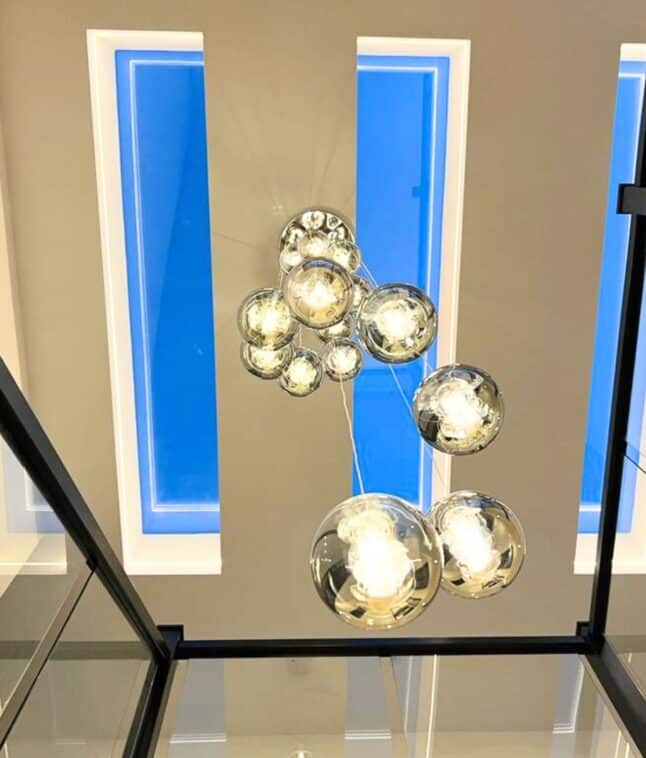
In what ways can creative lighting convert an attic into an inviting sanctuary? Through incorporating distinctive lighting options, homeowners can greatly enhance the ambiance and functionality of their attic spaces. Carefully positioning LED strip lights along beams or shelving can produce a gentle, welcoming illumination, while pendant lights can serve as striking focal points. Skylights not only bring in daylight but also give rooms a more expansive and airy feel. Incorporating dimmable fixtures allows for versatile lighting, enabling users to adjust the mood according to the time of day or occasion. Furthermore, incorporating ornamental lamps or wall-mounted sconces can introduce character, transforming the attic into a comfortable retreat. Altogether, a well-considered lighting scheme boosts the attractiveness and practicality of the attic.
Versatile Living Areas
Innovative lighting designs not only enhance the ambiance of an attic while also open the door to creative design opportunities. By installing the right rooflights, attics can be converted into versatile areas that cater to diverse requirements. As an example, a bright, airy setting can act as a dedicated work area throughout the working day, while gentle, dimmable lighting can create a comfortable social space as the night sets in. Including versatile furniture enables simple reorganization, supporting activities ranging from yoga sessions to family game nights. Through combining practicality with visual appeal, a thoughtfully planned attic can optimize usability while preserving visual appeal. Ultimately, the possibilities for transformation depend solely on one's vision, making attics valuable assets in modern homes.
Comfortable Reading Corners
Creating a inviting reading nook in an attic can turn an overlooked space into a peaceful escape, designed for escaping the hustle and bustle of everyday life. Well-situated rooflights can flood the area with natural light, boosting its inviting atmosphere. Outfitting the nook with a plush armchair or daybed, soft cushions, and a snug throw creates an excellent spot for leisure. Including bookshelves, whether integrated or independent, allows for easy access to a carefully selected range of reading materials. Introducing unique accents, such as wall art or ambient lighting, greatly improves the space's allure. This carefully considered design not only improves the attic's attractiveness but also raises the residence's market value, making it a worthwhile investment.
Essential Installation Tips for a Successful Rooflight Project
When planning the installation of a rooflight, picking the most suitable position is vital for maximizing natural light and enhancing the room's atmosphere. Engaging qualified professionals guarantees that the installation is completed safely and effectively. Moreover, effective insulation is essential to maintain energy efficiency and comfort in the transformed attic space.
Pick The Perfect Location
Identifying the correct spot for a rooflight is essential to maximizing both natural light and visual impact in an attic conversion. In an ideal scenario, rooflights should be situated to harness the most sunlight throughout the day, typically on the southward-facing side of the roof. This location not only improves illumination but also limits the need for artificial lighting. Furthermore, taking into account the existing roof structure and nearby obstructions, such as chimneys or trees, is important. Rooflights should be placed in areas that match the intended use of the space, whether for a living area. This thoughtful positioning delivers a balance between functionality and visual appeal, ultimately transforming the overall environment of the attic.
Engage Certified Specialists
Hiring certified professionals is important for a seamless rooflight installation. Their proficiency assures that the project meets local building standards and safety standards. Qualified experts can effectively assess the structural stability of the roof, pinpointing potential challenges that may develop during installation. They have the appropriate tools and techniques to minimize disruption to the current space while achieving a seamless finish. In addition, knowledgeable professionals can supply valuable insights into optimal placements and design solutions, improving both aesthetics and performance. It is advisable to obtain recommendations and evaluate previous work to confirm the selected professionals has a demonstrated track record. Overall, hiring qualified professionals not only preserves the installation process but also contributes greatly to the rooflight's lasting functionality and reliability.
Ensure Proper Insulation
Ensuring proper insulation is essential for enhancing energy efficiency in a rooflight installation. It reduces heat loss throughout the winter months and limits heat gain during warmer periods. Homeowners are advised to initially examine the existing insulation in the attic, making sure it aligns with the suggested R-values for their area. Upgrading to high-quality insulation materials can greatly enhance performance. At the time of installation, it is important to address any gaps or leaks around the rooflight, as they can undermine the performance of the insulation. Additionally, considering reflective insulation materials can help in managing temperature variations. Adequate ventilation must not be neglected, as it supports the upkeep of a stable indoor climate. By prioritizing insulation, homeowners can enjoy a comfortable living space while maximizing the value added by their rooflight.
Common Questions and Answers
What Are the Energy-Saving Benefits of Rooflights?
Rooflights enhance energy savings by harnessing daylight, minimizing the need for man-made lighting. They improve air circulation, aiding in managing indoor temperature, and can contribute to reduced heating and cooling expenses, promoting sustainable living while increasing overall comfort.
Do Rooflights Need Special Maintenance?
Rooflights are generally low-maintenance solutions, usually requiring routine cleaning and inspections for leaks. Ensuring proper sealing and addressing any issues promptly can enhance their longevity and performance, contributing to energy efficiency and aesthetic appeal.
Are Rooflights Able to Help Lower Heating Costs?
Rooflights can indeed help reduce heating costs by permitting natural daylight to heat interior spaces throughout the day. This additional natural light can reduce dependence on artificial heating systems, contributing to significant energy savings over an extended period.
Are Rooflights Suitable for All Types of Roofs?
Rooflights are not universally suitable for all roof types. Their effectiveness depends on factors such as roof pitch, material, and structural integrity, demanding careful planning and professional consultation for the best possible installation outcomes.
What Building Regulations Govern the Installation of Rooflights?
Building regulations for fitting rooflights typically include requirements relating to fire safety, structural integrity, and energy efficiency. Regulatory bodies may require prior planning approval, confirming conformity with guidelines that secure both the building and its occupants.